Our Foundation
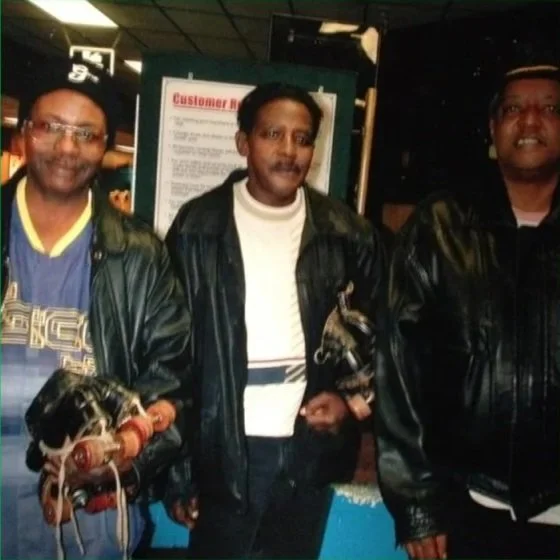
Striding is a rhythm roller skating style that originated in the Springfield and Xenia region of Ohio in the 1960s. During this era, roller skating rinks enforced racial segregation at their establishments, and the separation led to Black Americans having their own skate sessions.
Ohio is the heart, soul, and birthing place of Funk music, and Funk was the guiding inspiration for rhythmic movement on roller skates during those Black sessions. A basic glide turned into a controlled step (Stride), with a bounce to the beat. This distinctive, attention-grabbing move made its way to Columbus, Ohio, through Elbert Thompson (better known as Trigger Cool). The Stride evolved through many Columbus skate architects, giving Columbus its signature pace, bounce, and movements.
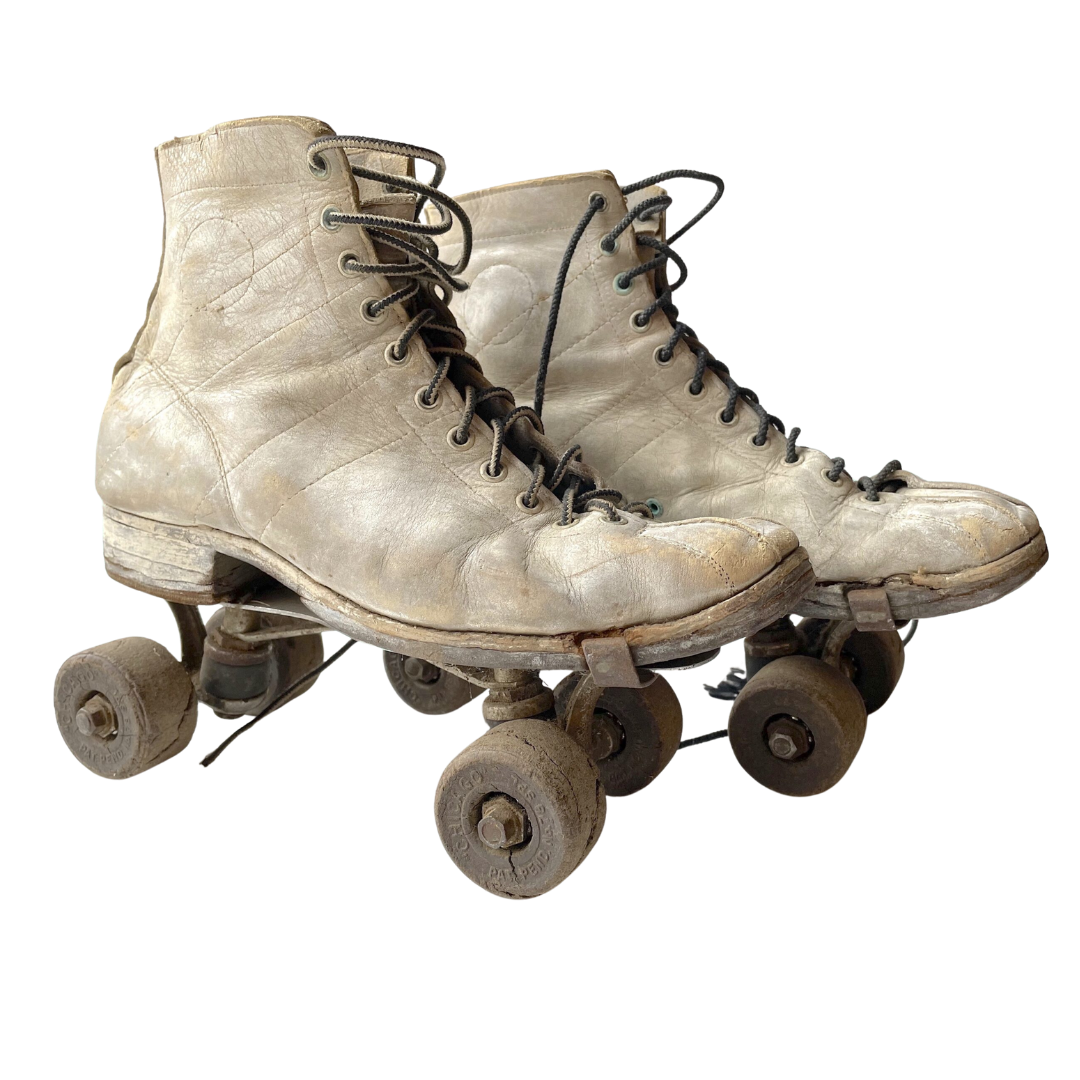
The Chicago Vintage Hyde was the popular roller skate for Ohioans. Columbus Striders creatively loosened the axels on their skate as a tool for controlling their bounce and ease for turning their feet at an angle. Another physical identifier was wearing long white tube socks and folding them under the heel of their roller skate. Verbal identity also formed when Columbus Striders began naming their Stride Pearling, or Striving. Pearling derived from the sight of loose ball bearings inside each wheel as they resembled a cluster of pearls.
To this day, Columbus Striders preserve these identifiers by:
Folding their socks down over their skate.
Purchasing, restoring, and caring for Vintage Chicago Hyde roller skates.
Passing on Vintage Chicago roller skates, their parts, and vintage skate cases to carry their skates to and from the rink.
Educating others on these cultural identifiers unique to Columbus, Ohio.
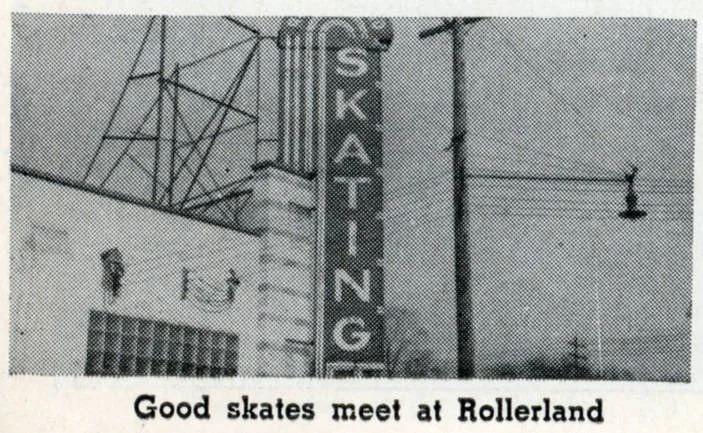
The Columbus Stride is most noted to thrive at Rollerland Rink before it spread across town to other Columbus rinks.